
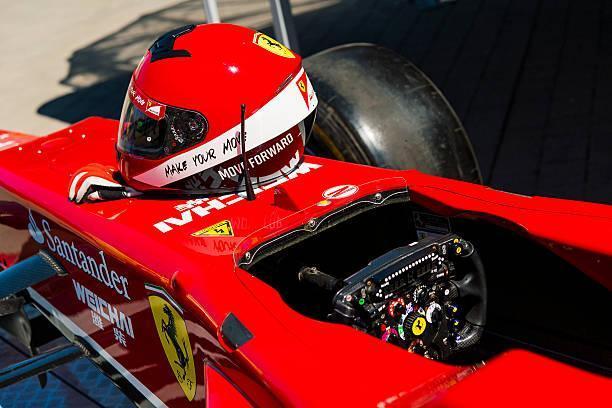
Formula 1 has entered one of its most significant technical resets in years. The 2026 regulations have changed power units, aerodynamics and energy management at the same time, forcing teams to rethink how performance is created. Beyond motorsport, the transition offers a useful lesson for digital businesses: innovation increasingly comes from making complex systems work together rather than improving one component in isolation.
Performance Now Depends on Integration
Formula 1 has always been a laboratory for engineering but the 2026 cars make system integration particularly important.
The new power units place much greater emphasis on electrical energy while retaining the turbocharged V6 engine. Electrical output has risen sharply and the cars now depend on a much more balanced relationship between combustion and electric power.
At the same time, active aerodynamics have changed how the cars behave on straights and through corners.
That means teams cannot treat the engine, battery and aerodynamic package as separate projects. Each system affects the others.
The same principle is becoming visible throughout the digital economy.
Modern online platforms increasingly combine payments, personalisation, identity tools and content delivery through connected software layers. Finnish consumers comparing luotettavat suomalaiset nettikasinot encounter the results of this integration through elements such as payment options, game libraries, account systems and mobile interfaces.
Users may only see the finished platform but its quality depends on how well the underlying technologies communicate.
Efficiency Can Matter More Than Raw Power
For decades, motorsport innovation was often associated with making engines more powerful.
The 2026 Formula 1 regulations demonstrate a different direction.
Performance now depends heavily on energy recovery, deployment strategy and efficiency. The electrical component of the power unit has become far more significant while teams have to manage when energy is collected and when it is used.
This reflects a broader technology trend.
Digital products are also moving away from simply adding more processing power or more features. Developers increasingly focus on using existing resources more intelligently.
Cloud platforms optimise workloads rather than running everything continuously. Mobile software manages battery consumption in the background. Artificial intelligence systems are being designed to complete useful tasks with fewer computational resources.
Efficiency becomes a form of performance.
For Formula 1 teams, better energy management can translate directly into lap time. For software businesses, efficient architecture can mean faster applications, lower infrastructure costs and a smoother user experience.
The underlying lesson is similar: the most powerful system is not always the one that consumes the most resources.
Adaptability Is Becoming a Competitive Advantage
Major technical changes rarely work perfectly from the first attempt.
Formula 1’s new regulations have already required teams and rulemakers to examine how energy management behaves under real racing conditions. That process is normal in complex engineering environments.
New systems reveal challenges that simulations cannot always predict.
Software development works in much the same way.
A company can test an application extensively before launch but actual users will still find unusual behaviours, performance bottlenecks and unexpected use cases. Strong digital products therefore need architectures that can be adjusted without requiring complete reconstruction.
Modularity helps.
If individual components can be updated independently, developers can improve payment systems, recommendation engines or user interfaces without replacing the entire platform.
Formula 1 teams follow a comparable philosophy. Cars evolve throughout the season because individual areas can be redesigned while the overall machine continues competing.
Adaptability is therefore not evidence that an original design failed.
It is part of how advanced systems improve.
Technology Is Becoming Less Visible to Users
One of the most interesting aspects of Formula 1 technology is how much complexity sits behind a simple experience.
A viewer sees a driver accelerating out of a corner.
Behind that moment are battery systems, software controls, aerodynamic changes and energy strategies operating almost instantly.
Successful digital products work in a similar way.
Consumers rarely want to understand every API, database or verification system behind a service. They simply expect it to respond quickly and consistently.
The better the engineering becomes, the less users need to think about it.
This is why interface simplicity can be misleading.
A clean mobile application may depend on dozens of connected services. A gaming platform that loads a slot instantly may be communicating with external game suppliers, account systems and payment infrastructure behind the scenes.
Innovation increasingly involves hiding complexity without losing reliability.
Formula 1 Still Offers Lessons Beyond Motorsport
The most important part of Formula 1’s 2026 technology shift is not any single technical feature.
It is the way multiple changes interact.
Electrical power, aerodynamics, sustainable fuel and energy recovery all influence the performance of the same machine. Teams that understand those relationships best gain the advantage.
Digital businesses face a comparable challenge.
Customers judge an entire experience rather than individual technologies. Fast payments cannot rescue poor navigation. Strong personalisation has limited value if an application loads slowly. A large content library becomes frustrating without effective discovery tools.
The next generation of innovation will therefore depend increasingly on integration.
Formula 1 makes that principle unusually visible because every engineering decision is tested under competitive pressure. The technology may be specialised but the broader lesson applies far beyond racing: progress is often created when previously separate systems begin working as one.