
Where Formula 1 Turns Race Weekend Into a Show
 Monaco and Las Vegas know exactly what a Grand Prix crowd wants after the engines stop. The racing may be the headline, but the weekend keeps going, with casino floors, nightlife and packed entertainment schedules giving fans plenty of reasons to stay out.
Monaco gives you yachts packed into the harbour as cars squeeze past Casino Square, with grandstands hanging over streets that were never designed for Formula 1. Las Vegas turns the same basic idea up to eleven, with the Strip lit behind the circuit and the whole city treating race weekend like one enormous show. These are Grand Prix venues where the racing is only part of the spectacle.
Formula 1 Has Always Been Bigger Than the Track
A Grand Prix can sell a story long after the chequered flag drops. Drivers become characters and rivalries carry into documentaries, where the stakes are obvious even to someone who does not know a diffuser from a drinks bottle. Formula 1 has leaned into that wider entertainment pull, and racing drama has become part of its screen identity too.
That helps explain why certain races become events in their own right. The track gives the weekend its purpose; the city around it gives fans another reason to stay out after the podium ceremony.
Monaco Built the Original Grand Prix Playground
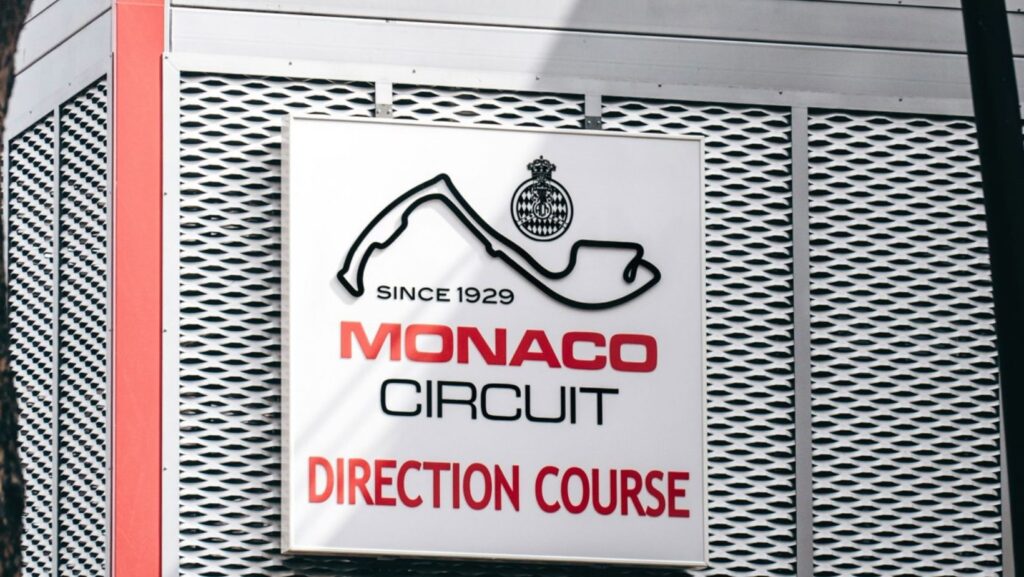
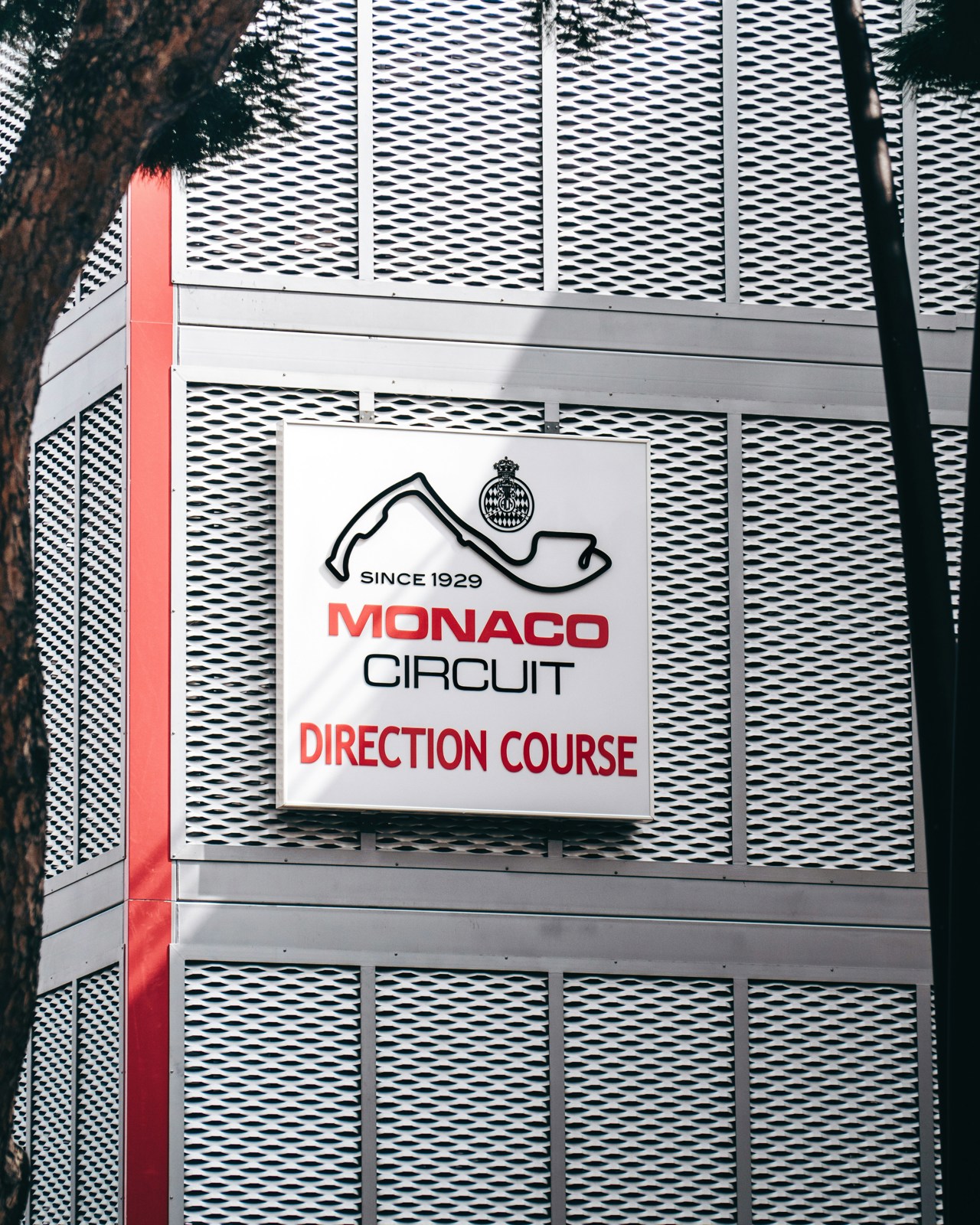
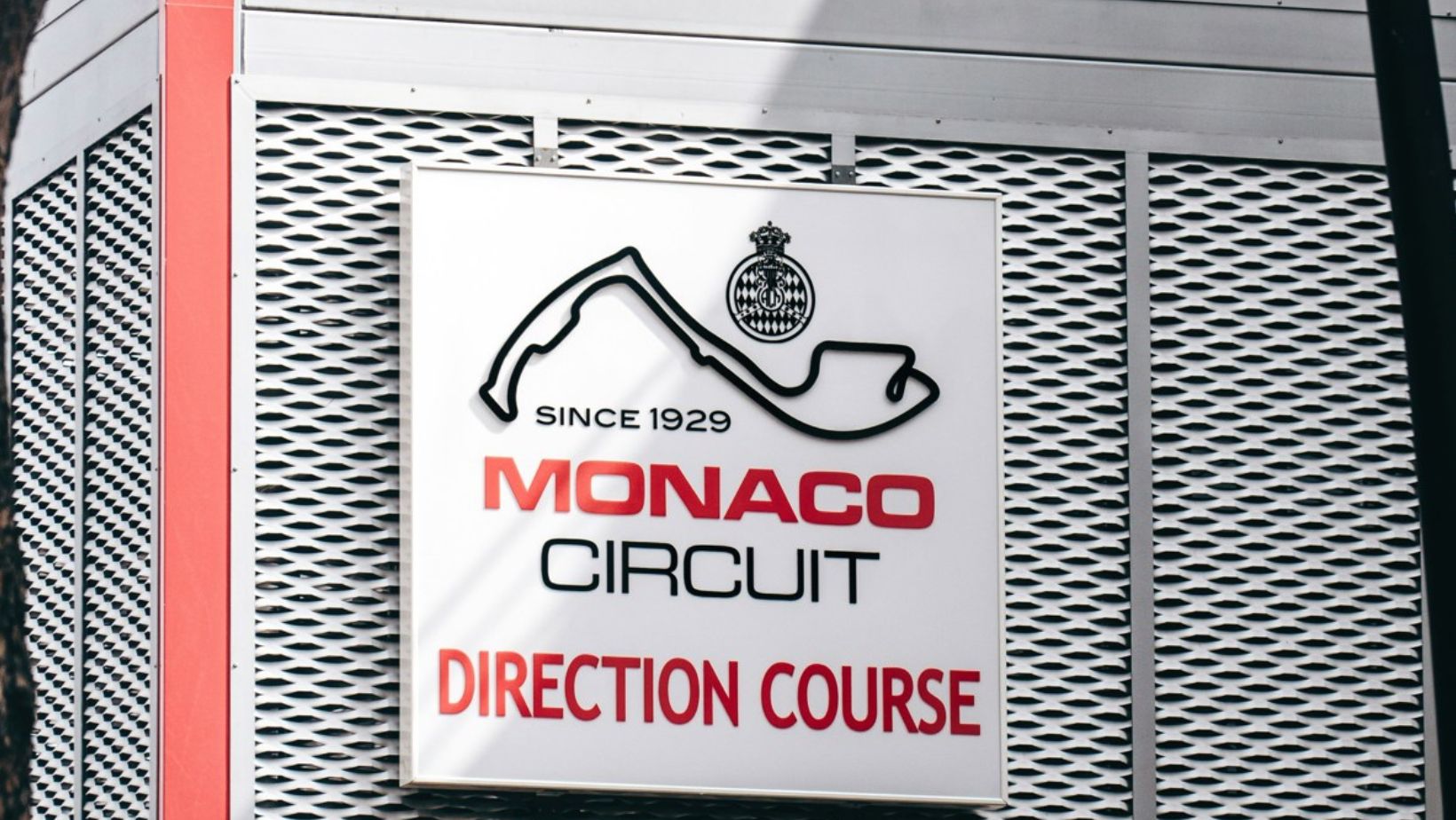
Monaco had the formula worked out long before Las Vegas joined the calendar. The first Monaco Grand Prix was held in 1929, and the race became part of the Formula 1 World Championship in 1950. The current circuit measures 3.337 km, with race distance reaching 260.286 km across 78 laps.
The setting does half the work. Cars pass Casino Square and thread between barriers beside a harbour full of yachts, so the television pictures constantly remind you where the race is taking place. Monaco never asks the Grand Prix to carry the whole weekend by itself, either. The casino sits a short walk from the waterfront, with hotels packed into the same small area, giving fans racing during the day and plenty to do once the track closes.
Casino Culture Fits Naturally Into the Weekend
Gaming fits this kind of race weekend because it already belongs to the places hosting the event. Monaco has Casino Square built into the circuit itself, and Las Vegas hardly needs an introduction to casino entertainment. For an American audience, the connection between Formula 1 and gaming does not need to be bolted on; the cities have already done that work.
That same appetite for a full entertainment package carries into the online market, where the roundup below from Covers.com brings current U.S. casino options together around bonuses, banking, state availability, rewards and the broader playing experience.
The connection works because the weekend does not stop when the chequered flag falls. Race fans are already in destinations built around entertainment, and online casino play now gives that part of the weekend another route onto a phone or laptop. F1 supplies the reason for travelling; the host city supplies the rest of the night.
Las Vegas Is Building Its Own F1 Tradition
Las Vegas is the newer version of the idea, but Formula 1 has already committed for the long haul. The race agreement now runs through 2037, which gives the city another decade to turn the Grand Prix into a fixed part of its annual entertainment calendar.
The money explains why both sides are interested. The first three Las Vegas races generated $3.2 billion in cumulative economic impact for Southern Nevada, and the 2025 event produced $43 million in state and local tax revenue. Those are serious numbers for an event that only returned to Las Vegas in 2023, and they put some weight behind the decision to keep it running until 2037.
Monaco Still Sets the Reference Point
Las Vegas can build the new version, but Monaco still shows what happens when a race becomes tied to the identity of a place. The circuit has used these streets since the first Grand Prix in 1929, and the race has stayed on the F1 calendar every year since 1955.
Monte Carlo also carries on after race weekend, with major poker events sharing the principality with another international fixture, the Monaco Yacht Show. Nearly a century of Grand Prix history is difficult to recreate quickly, which is why Monaco remains the obvious reference whenever Formula 1 turns a race into a destination.
The Race Weekend Is the Product
Monaco and Las Vegas come from different eras of Formula 1, yet both prove the same basic idea works. The Grand Prix gets people through the door, then the destination takes over. You watch the race and head back into the city once the circuit closes, with another night still ahead of you. That is a big part of the appeal, and it helps explain why these two very different cities have such a strong hold on Formula 1.